
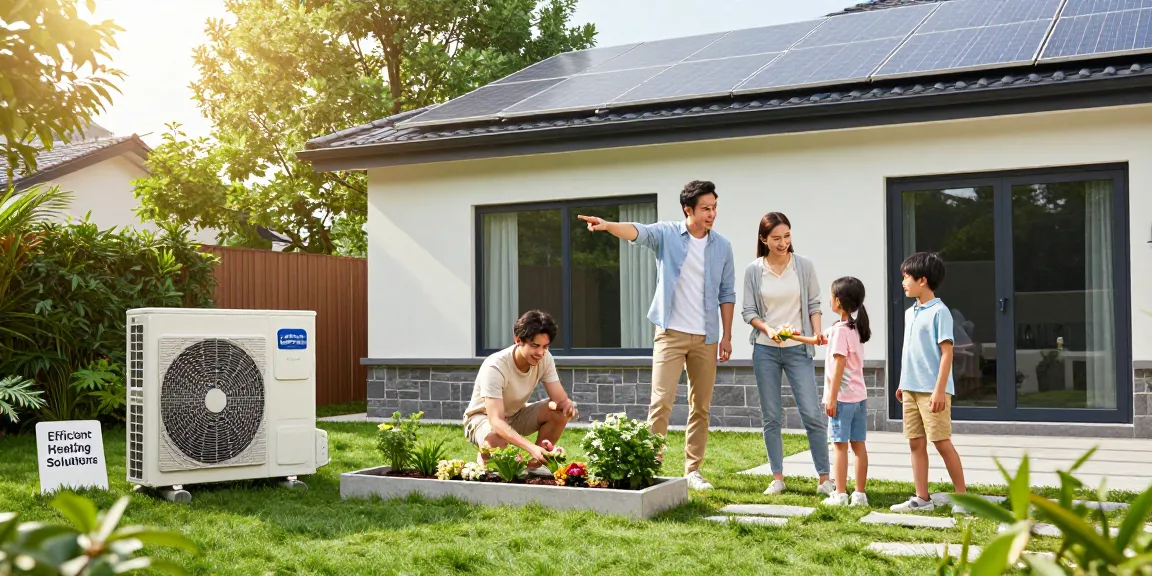
Understanding Heat Pumps: Basics and Benefits
In an era where energy efficiency is becoming more critical, the popularity of heating solutions like heat pumps is on the rise. These systems not only provide heating but can also offer cooling, making them versatile solutions for various climates. This article will explore the fundamentals of heat pumps, their benefits, and considerations for purchasing one. For those contemplating a purchase, insights on where to wärmepumpe kaufen will also be provided.
What is a Heat Pump?
A heat pump is a device that transfers heat from one place to another, using a small amount of energy to move heat instead of generating it directly. It operates on the principle of heat exchange, utilizing refrigerants to absorb heat from the environment (air, ground, or water) and then releasing it indoors to provide warmth. In cooler seasons, the process can be reversed to provide cooling, making heat pumps a dual-purpose solution for homeowners.
Key Benefits of Buying a Heat Pump
- Energy Efficiency: Heat pumps typically use less electricity compared to conventional heating systems, which translates to lower utility bills.
- Environmental Impact: By leveraging renewable energy from the environment, heat pumps reduce fossil fuel dependence, contributing to a lower carbon footprint.
- Versatility: They can both heat and cool a home, making them a year-round climate control solution.
- Long Lifespan: With proper maintenance, heat pumps can last for over 15 years, providing substantial long-term value.
Types of Heat Pumps Available
There are several types of heat pumps to consider, depending on your specific needs and home configuration:
- Air Source Heat Pumps: These are the most common type, extracting heat from the outside air. They are generally easier and less expensive to install.
- Ground Source (Geothermal) Heat Pumps: These utilize the stable temperature of the ground to provide heating and cooling. They require a more complex installation but offer superior efficiency.
- Water Source Heat Pumps: These systems extract heat from bodies of water and are ideal for properties near lakes or rivers.
Cost Considerations for Buying a Heat Pump
Before investing in a heat pump, it’s important to consider the initial and ongoing costs associated with it. Understanding these financial implications will help you make an informed decision.
Initial Purchase and Installation Costs
The upfront costs can vary significantly based on the type of heat pump you choose, the size needed for your home, and installation requirements. On average, expect to spend between $15,000 and $25,000 for the purchase and installation of a heat pump system. Ground source heat pumps typically have higher installation costs due to the need for underground loops.
Long-Term Savings and Return on Investment
Although the initial costs for heat pumps can be substantial, long-term savings on energy bills can be significant. Typically, homeowners can expect savings of 30% to 50% on heating costs compared to traditional heating systems. This enhanced efficiency results in a favorable return on investment over time, often recouping the initial expenditure within 5 to 10 years.
Government Incentives and Grants for Heat Pumps
Federal and state governments offer incentives and rebates to encourage the adoption of energy-efficient heating solutions like heat pumps. These incentives can reduce your upfront costs substantially. Check local regulations and programs to see what financial assistance is available in your area.
Evaluating Your Home for Heat Pump Installation
A successful heat pump installation hinges on your home’s readiness. To ensure your home is suited for a heat pump system, evaluate the following factors:
Assessing Home Efficiency and Insulation
Before installing a heat pump, it’s crucial to assess your home’s insulation and energy efficiency. Homes with adequate insulation will retain heat more effectively, optimizing the heat pump’s performance. Consider conducting an energy audit to identify potential upgrades that can enhance energy efficiency.
Determining the Right Size for Your Heat Pump
The size of the heat pump is vital for efficient operation. An oversized unit can lead to short cycling, while an undersized unit may struggle to maintain comfortable temperatures. Working with a qualified HVAC professional to conduct a proper load calculation can help ensure you select the appropriate size for your home.
Common Installation Challenges and Solutions
While installing a heat pump can be straightforward, challenges can arise. Common issues include:
- Space Constraints: Ensure there is sufficient outdoor space for the heat pump unit and any necessary ductwork.
- Electrical Requirements: Heat pumps may require a dedicated electrical circuit, which could necessitate upgrades to your electrical system.
- Noise Considerations: Choose models designed for quiet operation, especially if the unit will be positioned near living areas.
Top Brands and Models for 2026
The market for heat pumps continues to grow, with numerous brands offering a variety of models. Here are some top contenders for 2026:
Leading Brands in the Heat Pump Market
Brands like Viessmann, Daikin, and Trane are recognized for their high-quality heat pumps. These manufacturers are known for their advancements in energy efficiency and reliability, making them popular choices among homeowners.
Comparative Analysis of Popular Models
Some notable models worth considering include:
- Viessmann Vitocal 250-A: Praised for its efficiency and performance, this model consistently ranks among the best.
- Daikin Altherma: Known for its versatility and ease of integration into existing heating systems.
- Trane XV20i: Offers high efficiency and quiet operation, ideal for residential homes.
User Reviews and Performance Ratings
When choosing a model, be sure to read user reviews and performance ratings. Real-world feedback can provide valuable insights into reliability, efficiency, and overall satisfaction. Look for models with high marks in customer service and support as well.
Future Trends in Heat Pump Technology
As we look to the future, several trends are shaping the evolution of heat pump technology:
Innovations in Heat Pump Efficiency
Emerging technologies, such as variable-speed compressors and advanced refrigerants, are allowing heat pumps to operate more efficiently across various temperature ranges. These innovations can help improve performance, even in colder climates.
Green Technology Developments Impacting Heat Pumps
Environmental concerns are driving the heat pump industry towards greener solutions. Expect to see more models incorporating eco-friendly refrigerants and designs that minimize environmental impact.
Market Predictions for the Next Five Years
Analysts predict robust growth in the heat pump market due to increasing demand for energy-efficient heating solutions. By 2030, heat pumps are expected to play a significant role in residential heating, particularly as more communities adopt renewable energy standards.
What are the Pros and Cons of Heat Pumps?
While heat pumps offer numerous benefits, it’s essential to weigh the pros and cons. Pros include energy efficiency and environmental sustainability, while cons may involve higher initial costs and performance limitations in extreme climates.
How Long Does a Heat Pump Last?
With regular maintenance, a heat pump can last between 15 to 20 years. Proper care will enhance its longevity and efficiency, so follow the manufacturer’s maintenance guidelines and schedule regular service checks.
Can a Heat Pump Work Efficiently in Cold Climates?
Yes, modern heat pumps are designed to work efficiently even in cold climates. Cold climate heat pumps utilize advanced technology to extract heat from the air when temperatures drop, making them viable options for most regions.
Are Heat Pumps Worth the Investment?
In most cases, heat pumps offer substantial long-term savings on energy bills, making them a worthy investment. The initial costs may seem daunting, but the benefits of energy efficiency and government incentives can make them financially advantageous.
How to Choose the Right Heat Pump for Your Home?
Choosing the right heat pump involves considering your home’s specific needs, including size, insulation, and climate. Consult with HVAC professionals to assess your situation and determine the best solution for your requirements.